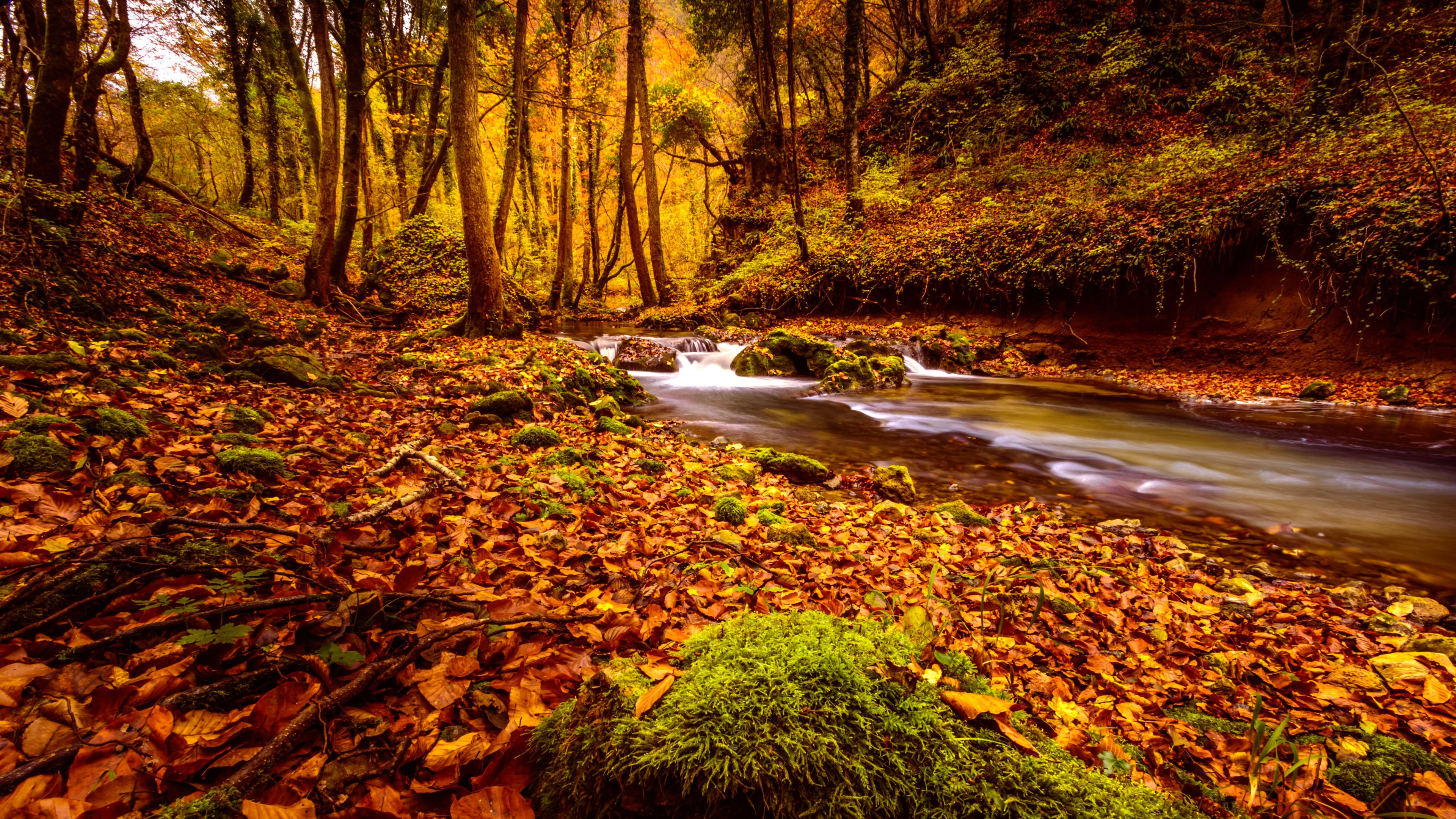

Autumn in Croatia is not defined by a single destination or experience. It unfolds through several distinct regions, each with its own landscape, ingredients and traditions. For travelers, this means fewer crowds and a more personal connection with the places they visit. For travel advisors, it creates an opportunity to build journeys around food, wine, nature and local encounters rather than the traditional summer itinerary.
This is Croatia at harvest time.
Istria: truffle forests and hilltop towns
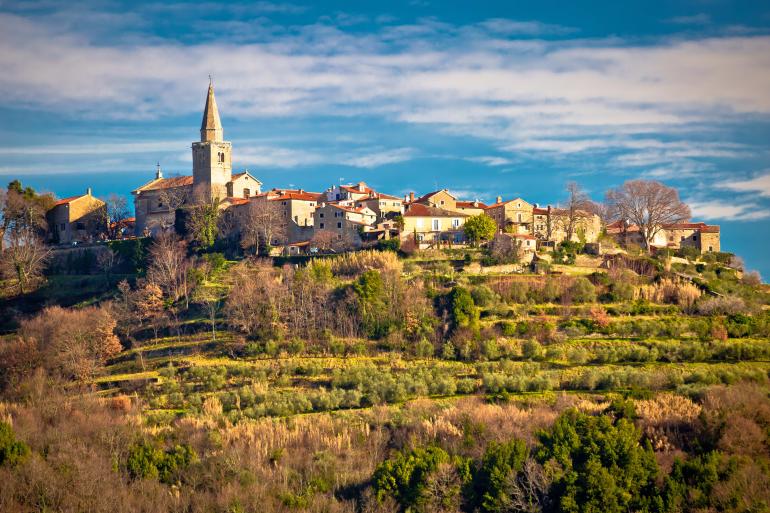
Autumn changes the rhythm of Istria.
The summer atmosphere along the coast becomes quieter, while the peninsula’s interior enters one of its most interesting seasons. Forests around the Mirna River Valley become the setting for truffle hunting, vineyards prepare for or complete the grape harvest and kitchens turn toward richer, earthier flavors.
Istria is particularly known for its white truffles. Unlike cultivated ingredients, truffles grow underground and are located with the help of specially trained dogs. Joining a local truffle hunter offers more than the excitement of finding one. It provides a glimpse into the relationship between the forest, the animal and the people who have learned to understand this landscape.
The experience often continues at the table. Fresh truffles may be served with handmade fuži or pljukanci pasta, eggs, risotto or simple local cheese. The preparation is usually restrained because the ingredient itself is the focus.
Nearby towns such as Motovun, Grožnjan, Buzet and Oprtalj add history and atmosphere to the journey. Their stone streets, medieval architecture and views across vineyards and forests feel especially suited to autumn’s softer light.
A well-designed Istrian autumn itinerary can combine a truffle hunt, a family-run winery, an olive oil tasting and time in the hilltop towns. The distances are short, but the experiences are varied enough to fill several days.
Wine regions during the most important time of year
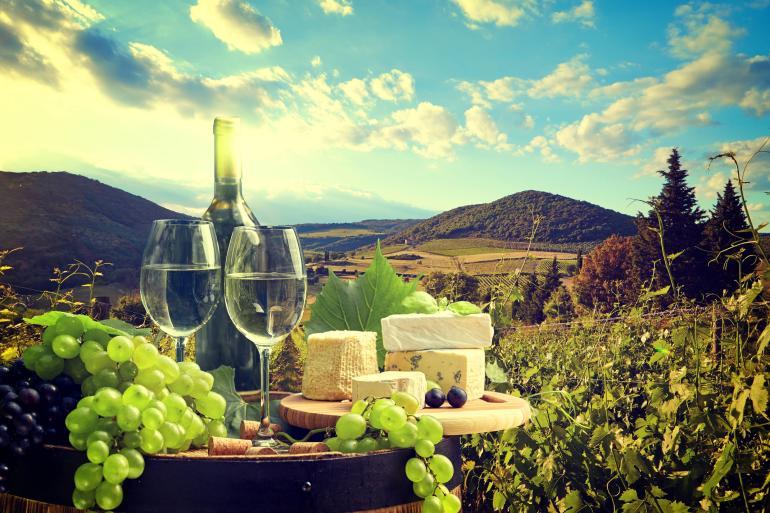
Autumn is one of the most meaningful periods in Croatia’s wine regions.
The exact timing of the grape harvest varies according to the destination, grape variety and weather conditions. In some areas it begins in late August, while other vineyards continue harvesting through September or into October.
Visitors arriving during this period may see something very different from a standard cellar tour. Vineyards are active, grapes are being selected and processed and winemakers are closely following a vintage that will continue developing long after the travelers have returned home.
Istria offers Malvazija Istarska and Teran alongside views of villages and rolling hills. Plešivica, within easy reach of Zagreb, is known for its wine roads and a growing reputation for sparkling wines. The Danube region around Ilok offers historic cellars and vineyards descending toward the river, while Kutjevo connects winemaking traditions with the landscapes of Slavonia.
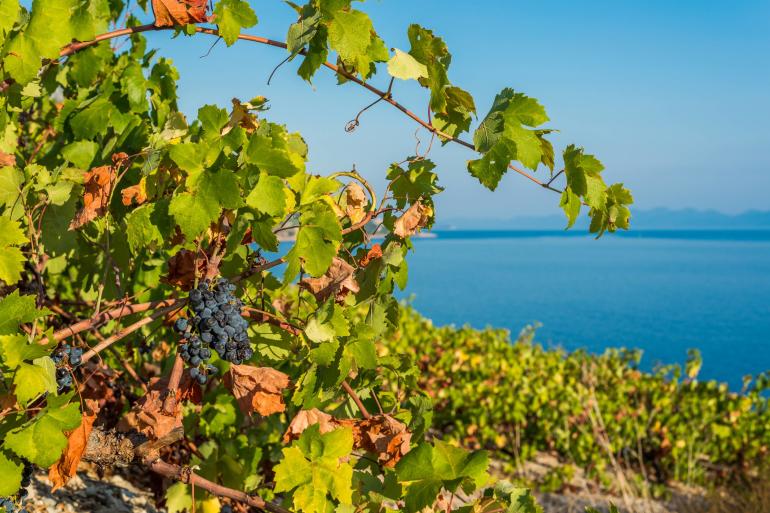
Farther south, the steep slopes of Pelješac produce some of Croatia’s best known red wines. The peninsula can be included in an early autumn journey connecting Dubrovnik, Ston and Korčula, allowing travelers to combine wine, coastal scenery and cultural heritage.
For wine-focused travelers, the strongest itineraries are not built around tasting as many labels as possible. They create time for conversation. Meeting winemakers, walking through the vineyard and understanding the character of indigenous grape varieties turns a tasting into a memory.
Olive harvest along the Adriatic
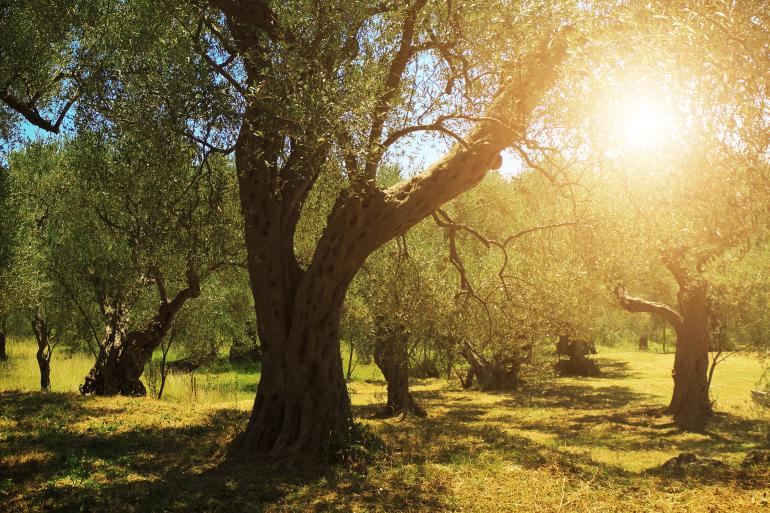
When the beach season ends, another important season begins in Croatia’s coastal regions.
Olives are generally harvested during October and November, although the timing depends on the variety, location and desired style of oil. In Istria, Kvarner and Dalmatia, families and producers gather in the groves to pick the fruit before taking it to a local mill.
Freshly pressed olive oil is remarkably different from the oil many travelers know from supermarket shelves. It can be intensely green, fragrant and slightly peppery, with flavors that vary according to the olive variety and growing area.
Some producers welcome visitors for guided tastings, often pairing their oils with local bread, cheese or other regional ingredients. During harvest season, selected experiences may also offer a closer look at how the olives are picked and processed.
This kind of visit works particularly well for travelers interested in gastronomy, agriculture and sustainable local production. It also provides travel advisors with an experience that can be adapted for couples, families or small private groups.
An olive oil tasting can easily be combined with coastal towns, wineries and rural estates. The result is a journey that reveals how closely the Croatian landscape is connected with its cuisine.
Lovran and the season of sweet chestnuts
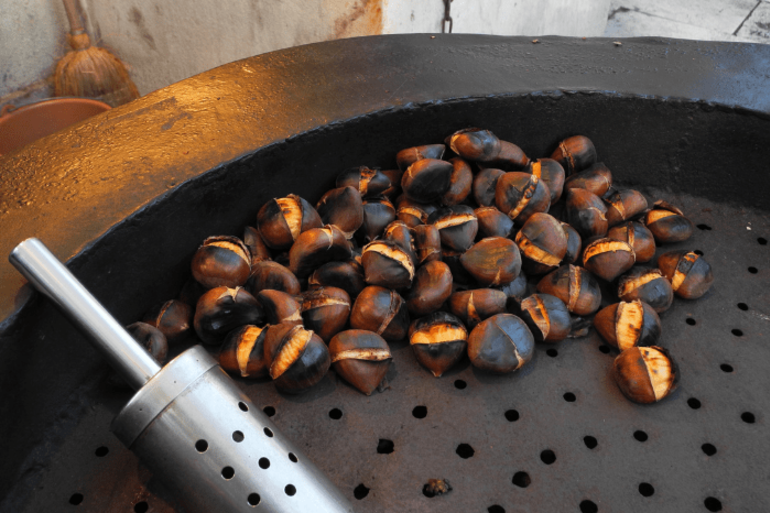
On the Kvarner coast, at the foot of Mount Učka, autumn brings the scent of roasting chestnuts to Lovran and the surrounding slopes of Učka.
The area is known for a local variety of sweet chestnut called marun. Larger and sweeter than many common chestnut varieties, maruni appear in both traditional and creative seasonal dishes.
They may be roasted and served in paper cones, transformed into cakes and desserts or added to savory recipes. During the season, Lovran and nearby communities celebrate the harvest through events, tastings and local gatherings.
The setting adds another dimension to the experience. Lovran combines a historic old town and elegant Austro-Hungarian architecture with seaside promenades and forested mountain slopes. Travelers can spend the morning walking beneath chestnut trees and the afternoon beside the Adriatic.
This contrast is one of autumn’s great advantages in Croatia. A single day can include a forest trail, a regional food tradition and a coastal sunset.
Forests, waterfalls and the colors of inland Croatia
Food and wine may define much of Croatia’s autumn appeal, but the landscape provides an equally strong reason to travel.
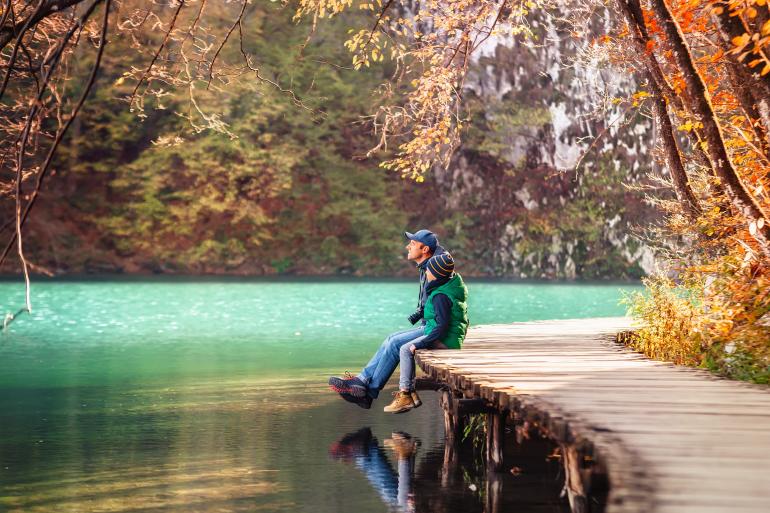
Plitvice Lakes National Park is particularly atmospheric when the surrounding forest changes color. Wooden paths lead past lakes and waterfalls framed by shades of gold, copper and deep green. Cooler temperatures can make walking more comfortable, although rain and changing conditions should always be considered when planning the visit.
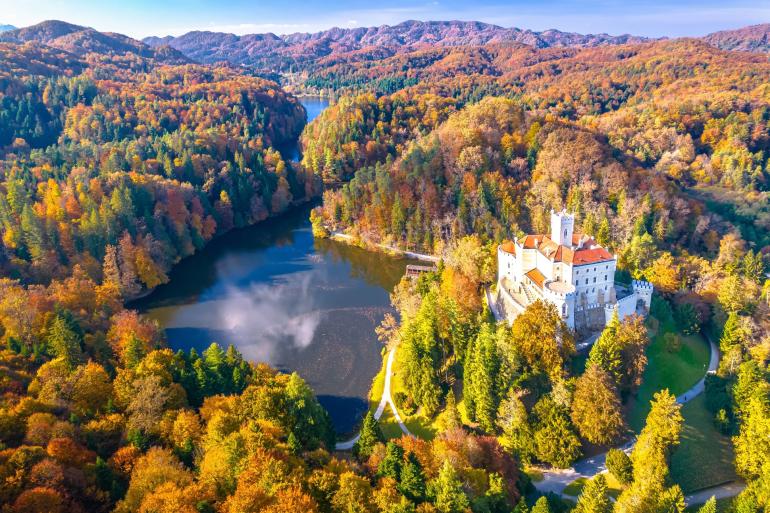
Farther north, the hills of Hrvatsko Zagorje combine forests, vineyards, castles and traditional villages. Trakošćan Castle, reflected in the lake below, becomes even more striking against the autumn foliage.
Gorski Kotar offers a wilder experience. Its forests, mountain roads and small communities appeal to travelers looking for hiking, photography and quiet rural stays. Lika provides another perspective, with clear rivers, traditional mills and open landscapes between the mountains.
These areas are especially suitable for travelers who have already visited Croatia’s famous coastal destinations and want to discover something less familiar. They also allow travel advisors to create balanced itineraries combining outdoor activities with cultural and culinary experiences.
Coastal cities after the summer crowds
Autumn does not mean abandoning the Adriatic.
September often retains a sense of summer, particularly in Dalmatia, while October brings a quieter and more local atmosphere. The sea may remain suitable for swimming during warmer periods, but the real advantage is the opportunity to experience historic towns with more space and less urgency.
Dubrovnik’s walls, Split’s ancient center, Šibenik’s fortresses and Zadar’s waterfront can be explored at a slower pace. Restaurants become easier to reserve, guides have more time for conversation and the daily rhythm is less influenced by peak season crowds.
Early autumn can also work well for island visits, but transportation requires more careful planning as seasonal ferry services begin to change. Some hotels, restaurants and activities on smaller islands may reduce their hours or close later in the season.
This is where local planning becomes particularly valuable. The right itinerary considers ferry schedules, weather alternatives and which destinations remain active throughout the season.What does an autumn trip through Croatia look like?
What does an autumn trip through Croatia look like?
There is no single route that captures the entire season.
A seven day journey could focus on Zagreb, Plešivica and Istria, combining city culture, sparkling wines, hilltop towns, truffles and olive oil.
A longer itinerary might continue toward Plitvice Lakes before reaching Zadar or Split. Travelers arriving in early autumn could connect the journey with Pelješac and Dubrovnik, adding wineries, oysters, historic towns and coastal scenery.
Another option is to explore continental Croatia through Zagreb, Hrvatsko Zagorje, Slavonia and the Danube. This route offers castles, wine estates, traditional cuisine and landscapes that international visitors often overlook.
The best itinerary depends on timing and interests. September is ideal for travelers who want to retain some of the coastal atmosphere. October brings stronger autumn colors and culinary experiences. November is quieter and more suitable for travelers motivated by food, wine, wellness and culture rather than long hours outdoors.
Why autumn works well for tailor-made travel
Autumn rewards thoughtful planning.
A traveler interested in gastronomy might spend a morning with a truffle hunter, visit a small winery in the afternoon and end the day with a seasonal dinner. A photography-focused itinerary could follow the changing colors from Istrian hill towns to Plitvice Lakes. Couples may prefer private tastings and boutique countryside hotels, while families can combine farms, castles, nature walks and hands-on activities.
The season also makes it easier to build journeys around people. Local guides, winemakers, producers and hosts become central to the experience, giving travelers a deeper understanding of the destinations they visit.
For travel advisors, Croatia’s geographic diversity offers considerable flexibility. Coast, countryside, historic towns and wine regions can be combined without requiring long domestic flights or complicated transfers.
However, autumn travel should not be treated as a summer itinerary with different weather. Opening hours, ferry connections and seasonal availability can change. Outdoor experiences require alternatives, and the pace should allow for spontaneous stops when weather and local conditions are favorable.
With the right structure, these details become part of the season’s appeal.
Final thought
Autumn reveals a Croatia shaped by harvests, changing landscapes and traditions connected to the land.
It is found in a truffle dog searching beneath an Istrian oak, grapes arriving at a family cellar and the first taste of freshly pressed olive oil. It appears in chestnut forests above the Adriatic, quiet pathways beside waterfalls and dinners built around ingredients available for only a few weeks each year.
For travelers willing to look beyond the traditional summer season, Croatia offers something more intimate and grounded.
This is not simply Croatia with fewer visitors. It is a different journey, guided by the landscape, the harvest and the people who call it home.
Let RealCroatia create a tailor-made autumn journey shaped around your travelers’ interests, preferred pace and the seasonal experiences they want to remember.