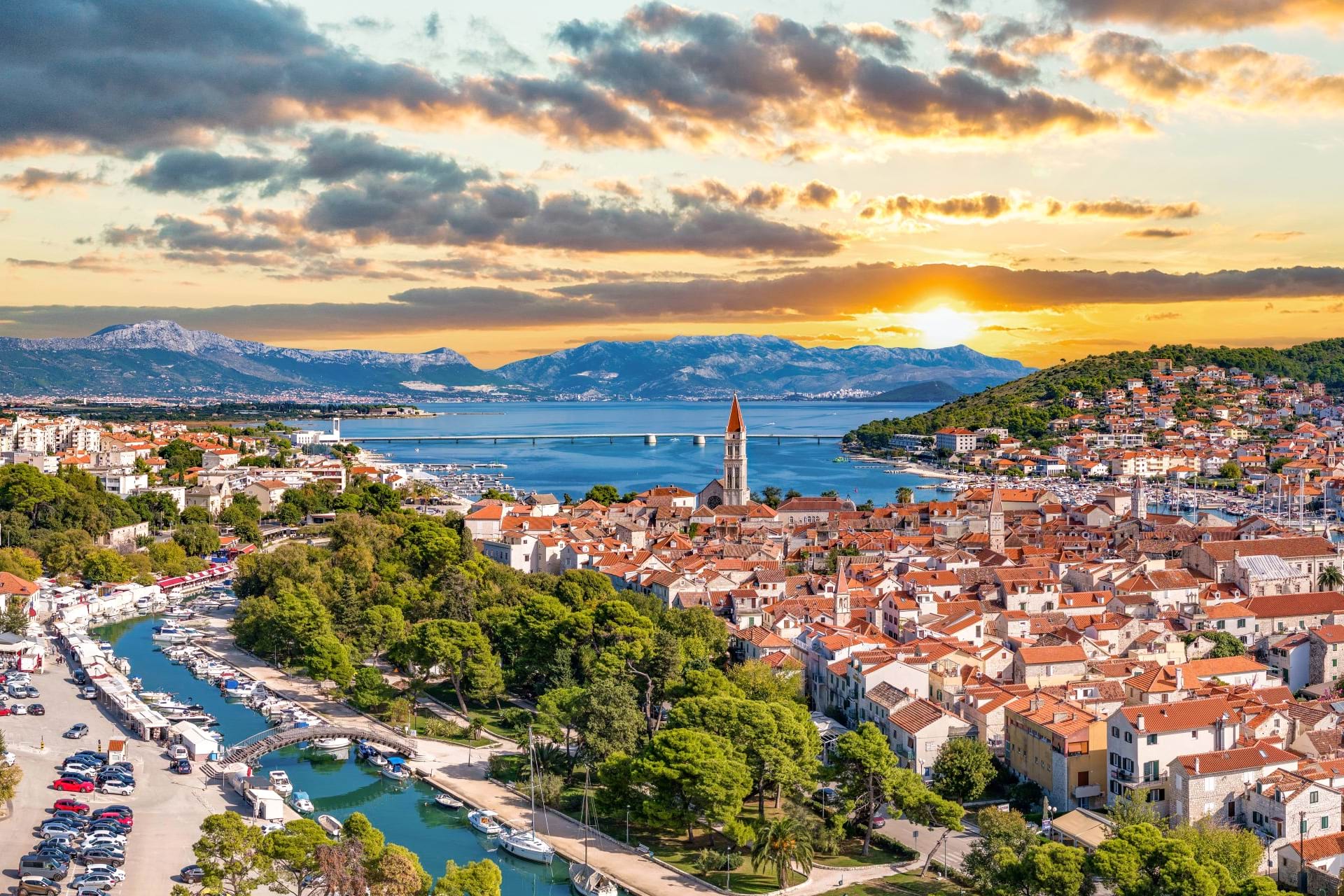

More telling still: these visitors logged nearly 690,000 overnight stays, a 17% jump that represents not just tourism growth, but a fundamental shift in how Americans view European travel.
"It is significant and encouraging that we've managed to maintain strong interest from the American market," noted Kristjan Staničić, Director of the Croatian National Tourist Board, in what may be the understatement of the travel season. "Americans are among our most numerous guests, and we aim to continue this positive trend."
For travel professionals watching the European landscape evolve, Croatia's ascension represents more than statistical curiosity-it signals the emergence of what industry insiders are calling the "intelligent alternative" to traditional Mediterranean destinations.
The Infrastructure Revolution That Changed Everything
The transformation didn't happen overnight, but 2025 marks the year Croatia's connectivity reached critical mass. This summer, the country expects to maintain connections to 122 cities worldwide, with multiple major US airports now offering direct routes. The significance extends beyond convenience; these direct flights represent a psychological shift that removes Croatia from the "complicated itinerary" category and places it squarely in the "easy weekend consideration" column.
Croatia is part of the EU/Schengen now – no visa hassles for U.S. citizens, and travel logistics are a breeze.
The aviation industry has noticed. American Airlines expanded its European portfolio specifically to include more Croatian routes, while JetBlue's strategic approach of "aligning our schedule with peak seasonal demand" demonstrates how airlines view Croatia not as a seasonal experiment, but as a year-round revenue opportunity.
 Photo: Anton Ivanov
In Dubrovnik's Old Town, for instance, residents still gather at the same stone benches where their grandparents socialized
This connectivity surge coincides with a broader American travel trend: the search for authentic European experiences without the infrastructure hassles that have plagued other destinations. Croatia's EU membership streamlines entry requirements while its relatively recent tourism development means infrastructure built for modern expectations rather than retrofitted medieval cities.
The Overtourism Escape Hatch
Perhaps no factor drives Croatia's American appeal more than what it's not: another destination buckling under its own popularity. While Rome and Barcelona grappled with record crowds and heat-exhausted tourists during summer 2024, Croatia maintained the delicate balance between accessibility and authenticity that discerning travelers increasingly demand.
The mathematics are compelling. Chase Travel's 2024 data revealed that trips to emerging European destinations like Warsaw averaged $500 less than traditional hotspots like Rome, while Croatia offers similar savings with dramatically superior coastal access. More crucially, only 15% of Croatia's 1,104-mile coastline is urbanized, preserving the very landscapes that drew visitors in the first place.
Safety won’t be a worry; Croatia is one of Europe’s safest countries, and English is widely spoken (ranked among the top in the world for English proficiency)
This preservation extends beyond mere aesthetics. Croatia's late entry into mass tourism means its cultural traditions remain embedded in daily life rather than performed for tourist consumption. In Dubrovnik's Old Town, for instance, residents still gather at the same stone benches where their grandparents socialized, creating an authenticity that no amount of heritage marketing can replicate.
The Multi-Generational Travel Sweet Spot
Croatia's American appeal aligns perfectly with evolving travel demographics. Recent surveys indicate that 58% of millennial and Gen Z parents now include extended family in their vacation planning, with 89% citing quality time rather than childcare assistance as their primary motivation. Croatia's compact geography and diverse experiences make it ideal for groups spanning multiple generations and interest levels.
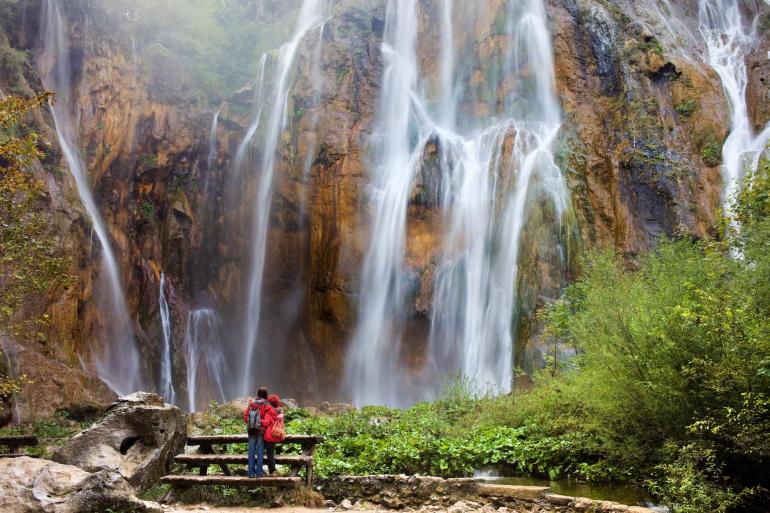 Photo: Artur Bogacki
The Plitvice Lakes are the oldest and largest national park in Croatia
Consider the practical appeal: grandparents can explore Diocletian's Palace in Split while teenagers discover the same location's vibrant nightlife scene. Parents appreciate the safety and infrastructure quality that EU membership ensures, while children find genuine adventure in Croatia's island-hopping opportunities and crystal-clear waters.
"American guests appreciate Croatia for its authentic experiences, pleasant climate, natural beauty, rich history, and top-tier gastronomy-all available year-round," explains Leila Krešić-Jurić, Director of the Croatian National Tourist Board's New York office. This year-round appeal addresses a persistent challenge in family travel: finding destinations that offer meaningful experiences across seasons.
Where Smart Americans Go in Croatia
The data reveals clear preferences among American visitors, with five destinations consistently leading arrival statistics: Dubrovnik, Split, Zagreb, Hvar, and Rovinj. Each represents a different facet of Croatia's appeal, from Dubrovnik's UNESCO World Heritage status to Hvar's claim as Europe's sunniest spot with over 2,715 hours of annual sunlight.
Compact diversity: in one small country you get a Mediterranean coast, historic cities, islands, mountains, and countryside – meaning a varied trip without long transit.
But perhaps more interesting are the emerging preferences. Šibenik, often overlooked in favor of its famous neighbors, offers cultural depth without crowds, while Opatija-dubbed the "Pearl of the Adriatic"-attracts visitors seeking Belle Époque elegance combined with modern wellness facilities. The Istrian Peninsula draws food-focused travelers who discover that Croatian cuisine extends far beyond coastal seafood to include world-class wines and truffle-hunting experiences.
These regional variations matter because they allow travel professionals to craft itineraries that feel personalized rather than prescribed. A family might spend mornings exploring Roman ruins in Pula and afternoons wine-tasting in Motovun, creating memories that feel distinctly Croatian rather than generically Mediterranean.
The Luxury Positioning Strategy
Croatia's tourism leadership has made a calculated bet on positioning the country as a luxury destination rather than competing on price alone. This strategy manifested dramatically in 2025 through high-profile industry events, including the Croatian National Tourist Board's participation in luxury travel forums from Las Vegas to Los Angeles.
The approach reflects sophisticated market understanding. American travelers, particularly those working with travel professionals, increasingly value experiences over bargains. Croatia's luxury positioning doesn't rely on artificial scarcity or inflated pricing, but on genuine quality: boutique hotels in converted palaces, private island experiences, and culinary adventures that reflect centuries of cultural crossroads influence.
Infrastructure is modern – from highways to ferries to medical facilities – so you can relax and focus on enjoying, not coping with travel stress.
The October 2025 International Luxury Travel Forum in Opatija represents the culmination of this strategy, bringing together nearly 300 top-tier travel advisors in a setting that embodies Croatia's luxury potential. For travel professionals, these events provide direct access to the networks and insights that transform good trips into exceptional experiences.
The Year-Round Revenue Opportunity
Croatia's seasonal evolution particularly appeals to travel professionals seeking to maximize client satisfaction while managing expectations. Traditional peak season (June through September) certainly delivers, with August alone attracting 4.69 million visitors in 2024. But Croatia's shoulder seasons offer what many consider superior experiences: September's 2.28 million visitors enjoy sunny weather without crowds, while May's 1.94 million travelers experience blooming landscapes and comfortable temperatures.
 Photo: Brch
Travelers who view tourism as cultural exchange rather than mere consumption will enjoy Zagreb, capital of Croatia and its complex history
The off-season reveals Croatia's most compelling secrets. Winter along the Dalmatian coast offers mild Mediterranean climate perfect for cultural exploration, while inland regions provide opportunities for spa tourism and gastronomic experiences that peak-season crowds often overlook. This year-round appeal allows travel professionals to offer clients genuine choice in timing rather than defaulting to peak-season bookings.
The Professional Advantage
For travel professionals, Croatia represents what industry analysts call a "sweet spot opportunity"-a destination with growing demand but not yet ubiquitous knowledge among travelers. This creates space for expertise to add genuine value. Understanding the difference between Istrian and Dalmatian wine regions, knowing which islands offer the best family experiences, or recognizing the cultural significance of Croatia's position between Central Europe and the Mediterranean allows travel professionals to demonstrate knowledge that goes beyond booking logistics.
Croatia is focusing on sustainable tourism initiatives, like limiting cruise ship numbers in Dubrovnik to protect the city
The Croatian National Tourist Board has recognized this dynamic, offering specialized certification programs designed exclusively for travel advisors. These free, self-paced programs provide the cultural and practical knowledge that transforms travel professionals from order-takers to authentic consultants. Companies like RealCroatia have built their expertise around this deeper understanding, recognizing that Croatia's appeal lies not in checking boxes but in understanding context.
The Intelligent Alternative
Croatia's emergence as America's favored European escape reflects broader changes in how sophisticated travelers approach destination selection. The country offers what might be called "informed luxury"-experiences that feel exclusive not because of artificial barriers but because they require knowledge to fully appreciate.
This appeals particularly to the growing segment of travelers who view tourism as cultural exchange rather than mere consumption. Croatia's complex history-from Roman Empire crossroads to Yugoslav federation to EU member-provides contexts that enrich every experience, from walking Dubrovnik's walls to exploring Zagreb's vibrant arts scene.
 Photo: Dreamer4787
Grandparents can explore Diocletian's Palace in Split while teenagers discover the same location's vibrant nightlife scene
The country's commitment to sustainable tourism development ensures that growth doesn't compromise the very qualities that attract visitors. Recent announcements include Croatia's 13th nature park, demonstrating dedication to preservation that resonates with environmentally conscious travelers.
Looking Forward
Croatia's trajectory suggests not just continued growth but evolution toward what tourism professionals term "destination maturity"-the point where infrastructure, experiences, and market understanding align to create consistently exceptional visitor experiences. The 2025 statistics represent early indicators of this maturation, with growth rates that suggest sustainable rather than boom-and-bust development.
Croatia’s embrace of digital nomads, with one of Europe’s more flexible remote work visas and initiatives like “digital nomad towns”, offering special amenities) means more Americans might spend extended time there
For American travelers and the professionals who serve them, Croatia offers something increasingly rare: a European destination that delivers Mediterranean beauty, rich cultural experiences, and modern infrastructure while maintaining the authenticity that mass tourism often erodes. The numbers tell part of the story, but the real narrative lies in Croatia's ability to surprise visitors who thought they knew what European travel could offer.
In an industry where "hidden gems" have become marketing clichés, Croatia presents the genuine article: a destination that rewards knowledge, celebrates culture, and continues to evolve without losing its essential character. For travel professionals and their clients, that combination may prove irresistible.