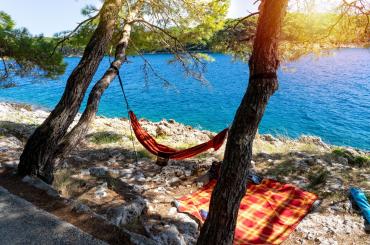
Picture this: You're sitting at a seaside café in a small Dalmatian fishing village, tapping your fingers as you wait for your coffee. Ten minutes pass. You check your watch again, feeling that familiar American urgency creeping in. Then you notice something; the locals around you have been here for hours. They're not waiting for anything. They're not checking their phones or rushing to the next attraction. They're simply here, watching the light dance across the Adriatic, conversation flowing as easily as the wine.
As the afternoon sun filters through grape vines overhead and the Adriatic sparkles beyond the stone walls, something shifts. You check your watch less. You breathe deeper. You finally understand that this isn't poor service. It's an invitation to a completely different way of being.
Welcome to Pomalo, Croatia's answer to a world obsessed with productivity and bucket-list checking.
What is Pomalo? Croatia's Philosophy You Didn't Know You Needed
Pomalo literally translates to "little by little", “take it easy” or "gently" in Croatian, but it's so much more than a phrase. It's a way of life deeply rooted in Dalmatian (and Istrian) coastal culture, shaped by the rhythm of the sea, the warmth of the sun, and the timeless pace of island living.
This isn't about laziness, it's about intentional living and being fully present. It's the art of savoring the moment instead of racing to the next one. And it's closely related to another Croatian concept: fjaka, described as a profound state of nothingness, sometimes called "a gift from God." It's that blissful feeling of doing absolutely nothing and feeling no guilt about it.
Croatia's Pomalo philosophy answers the travel industry's shift toward slow tourism, where authentic experiences replace rushed itineraries
For burned-out professionals, wellness seekers, and anyone tired of treating vacation like another item on their to-do list, Pomalo offers something radical: permission to slow down.
The Anti-Bucket List: Why Slow Travel is Croatia's Secret Weapon
While other European destinations struggle with overtourism and crowds, Croatia is charting a different course. The country has officially positioned sustainable tourism at the heart of its 2030 development strategy, and Pomalo isn't just a cultural quirk but a competitive advantage.
Here's why this matters!
Depth Over Breadth: Instead of racing through seven countries in ten days, imagine spending an entire afternoon watching the sunset from Dubrovnik's city walls, or lingering over a home-cooked meal at a family-owned agricultural estate, drinking wine with your hosts, who made the wine in the first place. That meal will stay with you longer than any five-star hotel buffet.
Sustainability That's Actually Real: Croatia isn't just talking about responsible tourism. Tourism Minister Tonči Glavina has emphasized that each destination must define its unique identity and attract visitors aligned with those values. The focus is on "profitable tourism for long-term growth" rather than "tourism for tourism's sake." When travelers stay longer in fewer places, they reduce their environmental impact while deepening their experience.
 Photo: Liudmyla Soloviova
When travelers stay longer in fewer places, they reduce their environmental impact while deepening their experience
The Numbers Tell the Story: In September 2025, Croatia saw a 5% increase in tourist arrivals and overnight stays compared to the previous year; growth that's happening alongside, not in spite of, their sustainability commitment. BBC Travel and major media outlets are highlighting Croatia's slow living philosophy as a defining 2025 travel trend.
Learning from Dubrovnik: Yes, Dubrovnik faced overtourism challenges. The Croatian government's response? Swift action to implement crowd management strategies and a determination to prevent similar issues elsewhere. It's proof that Croatia is serious about preserving what makes it special.
As one traveler put it after her trip with RealCroatia: "I came home with more than memories. I came home with a different understanding of what living actually means."
Where to Experience Pomalo: Beyond the Obvious
The epicenter of Pomalo philosophy, Dubrovnik offers more than Game of Thrones filming locations and UNESCO-protected heritage. Spend your days taking seaside swims, enjoying long lunches overlooking the Adriatic, and hopping between intimate wine bars. Just south, Cavtat embodies the essence of coastal Croatian life, perfect for waterfront lingering and sunset watching.
Pomalo delivers the sustainable, immersive travel model that defines premium tourism in 2025 and beyond
Hvar, Korčula, and Vis each offer their own version of island magic. Here, fjaka time happens naturally at secluded coves accessible only by boat. These are places where a "busy" day means swimming in three different hidden beaches and sharing stories with locals who mostly talk about the weather and other similarly mundane topics.
Croatia's Nautical Experience: Sailing as Slow Travel
Here's something that makes Croatia unique: the country hosts 40% of the world's charter fleet. That's not a typo; nearly half of all charter boats worldwide are based in Croatian waters. That's what you get for having 1,200+ islands and islets jammed into a small aquatic box that is the Adriatic Sea.
Sailing embodies Pomalo perfectly. You move at nature's pace, with wind and waves setting your schedule. ACI marinas (Adriatic Croatia International Club) dot the coastline, offering world-class facilities that balance modern comfort with environmental stewardship. Whether you choose a crewed charter where the captain handles everything, or a bareboat charter for experienced sailors, you'll discover that disconnection at sea creates the most profound connection to the present moment.
The government's emphasis on preserving the coastline through responsible marina development means your nautical experience supports sustainable tourism.
 Photo: Apostolis.Giontzis
In September 2025, Croatia saw a 5% increase in tourist arrivals and overnight stays compared to the previous year; growth that's happening alongside, not in spite of, their sustainability commitment
As industry leaders note: "Croatia's marinas have long been a significant draw, and with this comes responsibility to care for the natural environment that attracts millions each year."
Istria: Where Food Becomes Philosophy
Croatia's northwestern peninsula is slow food movement territory. Vineyard and olive grove exploration happens at a deliberately unhurried pace. Medieval hilltop towns like Motovun and Grožnjan were literally built for wandering—no GPS needed, just curiosity and good shoes.
The Konavle region and Prevlaka Peninsula offer family-run restaurants on ancient mill grounds, swimming spots near the Montenegro border, and authentic experiences far from cruise ship crowds. These are the places where locals still live the Pomalo way every single day.
Croatia is actively extending tourism beyond summer peaks, and spring (April-May) and fall (September-October) offer ideal Pomalo conditions. Lower prices, fewer crowds, same authentic experiences—plus you'll have the government's year-round tourism infrastructure supporting your journey.
The Slow Food & Wine Experience: Meals as Meditation
In Croatia, meals aren't fuel stops—they're multi-hour social experiences. Fresh Adriatic seafood, black risotto made with cuttlefish ink, octopus salad dressed simply with olive oil and lemon. Each dish tells a story about the sea, the land, and the people who've lived here for generations.
Local wines like Pošip and Dingač aren't just beverages—they're conversations with winemakers who'll spend hours explaining their philosophy. Artisanal producers like Habitat Distillery approach gin-making with the same mindful attention to craft and process.
Croatia's centuries-old philosophy provides travel agents a competitive advantage in selling depth of experience rather than breadth of destinations.
For travelers used to fast-casual dining, this is revelatory. It's wellness through mindful eating. It's Instagram-worthy without being performative. It's discovering that the process of eating can be as nourishing as the food itself.
Pomalo as Antidote to Burnout Culture
Let's be honest: American work culture is exhausting. Optimizing every moment, maximizing every opportunity, and somehow feeling guilty about taking the vacation days yoy've earned. Croatia offers something we've forgotten people need. And that is the permission to not be productive.
Consider the American mother who took a "mumcation" to Croatia to escape New York City's relentless pace. She didn't come back with a checklist of sights seen. She came back having rediscovered different versions of herself; the version who can sit for hours without checking her phone, who can have a conversation without it leading somewhere, who can watch the sea and call it a day well spent.
The mental health benefits of "doing nothing" are scientifically documented. Digital detox opportunities abound in coastal villages and on sailing expeditions. Reconnection with yourself and your travel companions happens naturally when you're not rushing to the next photo op.
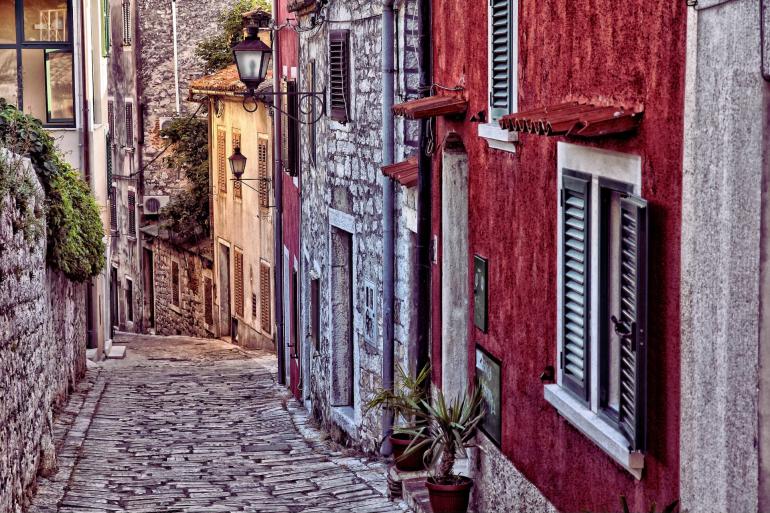 Photo: Tupungato
Rovinj shows how the Pomalo lifestyle transforms coastal regions into year-round destinations that address overtourism while maintaining cultural authenticity
This isn't a sightseeing marathon. Leave your itinerary partially unplanned. Choose quality over quantity, stay longer in fewer places. And yes, prepare for "slow" service that's actually intentional hospitality, not inefficiency.
Activities That Embody Pomalo
- Morning coffee ritual at a local café (budget 2+ hours)
- Afternoon Adriatic swim sessions at hidden coves
- Sunset watching from fortress walls or beach bars
- Card games with locals (they'll teach you)
- Ferry rides instead of speedboats (the journey IS the destination)
- Market shopping followed by picnic assembly
- Simply sitting and observing life happen around you
Croatia's approach aligns with a global shift toward sustainable, meaningful travel. It's connected to Danish hygge, Italian dolce far niente, and a growing rejection of hustle culture.
Post-pandemic, travelers' values have fundamentally changed. We're not just seeking exotic locations—we're seeking transformative experiences. With government investment in green initiatives, EU-aligned sustainable tourism goals, and a commitment to competitive year-round pricing, Croatia proves you don't have to choose between comfort and conscience.
Your Vacation Could Change More Than Two Weeks
Here's the truth about Pomalo: it's contagious. Travelers don't just bring home photos and souvenirs. They bring home a new relationship with time. They find themselves pausing before automatically saying "yes" to every commitment. They remember what it feels like to be bored—and discover that boredom is often the doorway to creativity and presence.
The "Pomalo" approach represents a strategic response to traveler burnout, offering restorative experiences that generate higher satisfaction and repeat bookings
RealCroatia specializes in crafting these transformative experiences. We understand that success isn't measured by how much you saw, but by how deeply you experienced. We know that rest isn't lazy—it's essential. And we believe your vacation should change not just your two weeks away, but the 50 weeks you spend at home.
Croatia is waiting, and it's not going anywhere fast.
That's the whole point.
Ready to experience Pomalo for yourself? Contact RealCroatia to design your slow-travel journey through Croatia's coast and islands. Because the best vacation you'll ever take is the one where you finally stop rushing.